Can you spot signs of incomplete fusion? Montana Mobile Welding and Repair explains how to detect them
Common Welding Repair Work Issues and Just How to Address Them Efficiently
Welding repair services frequently run into a variety of issues that can endanger the integrity of the final product. Usual issues consist of insufficient infiltration, porosity, and imbalance, amongst others. Each flaw provides special difficulties that need specific techniques for resolution. Understanding these issues is necessary for welders intending to improve their outcomes and abilities. This discussion will explore these usual welding fixing concerns and efficient techniques to address them.
Inadequate Infiltration
Poor penetration takes place when the weld steel stops working to totally fuse with the base material, causing weak joints and potential structural failings. This problem usually originates from inadequate heat input, incorrect electrode angle, or inappropriate welding rate. Welders might come across inadequate penetration because of a miscalculation of the necessary specifications for a certain material density or kind. Furthermore, contamination on the base product's surface can hinder reliable bonding, aggravating the issue. To resolve insufficient penetration, welders must guarantee ideal settings on their devices and maintain a tidy work surface area. Normal evaluation of welds is suggested to recognize any deficiencies early, permitting timely improvements and the prevention of jeopardized architectural stability in bonded assemblies.
Porosity
Porosity is a typical issue in welded joints that shows up as small gas bubbles entraped within the weld metal. This issue can compromise the integrity of the weld, bring about reduced stamina and possible failure under stress. Welding. Porosity generally develops from contamination, wetness, or improper welding methods, which permit gases to run away into the molten weld pool. To attend to porosity, welders ought to ensure appropriate surface area prep work, maintain a clean working atmosphere, and utilize appropriate welding parameters. Furthermore, picking the right filler material and protecting gas can minimize gas entrapment. Normal inspection and testing of welds can help determine porosity early, assuring timely rehabilitative activities are taken, thus preserving the top quality and reliability of the bonded framework
Imbalance
Imbalance in welding can arise from different aspects, including incorrect configuration and thermal growth. Recognizing the source is essential for reliable resolution. A number of correction techniques are available to straighten elements and guarantee architectural integrity.
Sources of Imbalance
Welding misalignment often originates from a selection of underlying problems that can compromise architectural stability. One primary cause is improper fit-up of parts before welding, which can lead to voids and unequal surfaces. Variants in thermal development during the welding procedure can likewise result in distortion, specifically if the products being signed up with have various coefficients of expansion. In addition, insufficient clamping and fixturing may fall short to hold parts safely in place, leading to motion during welding. Improperly maintained tools, including welding machines and devices, might introduce disparities in the weld grain, further adding to misalignment. Lastly, driver mistake, originating from inadequate training or experience, can also play a substantial function in producing misaligned welds.
Correction Techniques Readily Available
Resolving misalignment effectively requires a mix of restorative methods customized to the details problems at hand. One common method is making use of components or jigs to hold parts in the proper position throughout welding, making certain regular placement. Furthermore, preheating the products can aid lower distortion and boost fit-up. For significant misalignment, mechanical realignment methods, such as making use of hydraulic jacks or clamps, can be utilized to remedy the placement before welding. Post-weld heat therapy might likewise be essential to alleviate tensions triggered by misalignment. Ultimately, cautious assessment and adjustment throughout the setup stage can protect against imbalance concerns from ending up being substantial problems, advertising a smoother welding procedure and improving general architectural integrity.
Distortion
Distortion is a typical obstacle in welding that can develop from different factors, consisting of unequal cooling and heating. Recognizing the root causes of distortion is important for executing effective prevention methods. Resolving this issue not only improves architectural stability but also improves the overall top quality of the weld.
Sources of Distortion
When based on the intense heat of welding, products commonly undertake modifications read this that can cause distortion. This phenomenon largely arises from thermal expansion and contraction throughout the welding procedure. As the weld location warms up, the material expands; upon cooling, it contracts, which can produce inner stresses. Additionally, irregular heating throughout a workpiece can aggravate these stresses, resulting in warping or flexing. The kind of product additionally plays a substantial duty; steels with varying thermal conductivity and coefficients of growth may respond in different ways, bring about uncertain distortions. Poor joint design and poor fixturing can add to misalignment throughout welding, raising the chance of distortion. Recognizing these reasons is vital for effective welding fixing and avoidance approaches.
Avoidance Techniques
Effective prevention techniques for distortion throughout welding emphasis on managing warm input and ensuring correct joint design. Preserving a regular heat input aids to reduce thermal expansion and tightening, which can lead to distortion. Making use of methods such as pre-heating the workpiece can likewise reduce the temperature level slope, promoting consistent heating. In addition, selecting proper joint styles, such as T-joints or lap joints, can improve stability and minimize stress focus. Executing correct fixturing to secure the work surfaces in place even more help in maintaining positioning throughout the welding procedure. Staggered welding sequences can disperse warmth much more uniformly, avoiding localized distortion. By applying these techniques, welders can significantly lower the likelihood of distortion and improve the general top quality of their welds.
Cracking
Cracking is a common issue run into in welding repairs, usually arising from various elements such as incorrect air conditioning prices, product option, or poor joint prep work. The occurrence of cracks can greatly compromise the integrity of the weld, resulting in prospective failures during operation. To address this issue, welders must first analyze the origin, ensuring that materials work their explanation and appropriately picked for the particular application. Additionally, controlling the cooling price throughout the welding process is essential; quick air conditioning can induce stress and lead to breaking. Proper joint design and prep work likewise contribute to minimizing the risk. Implementing these approaches can improve weld high quality and sturdiness, eventually decreasing the likelihood of cracking in completed weldments.
Incomplete Blend
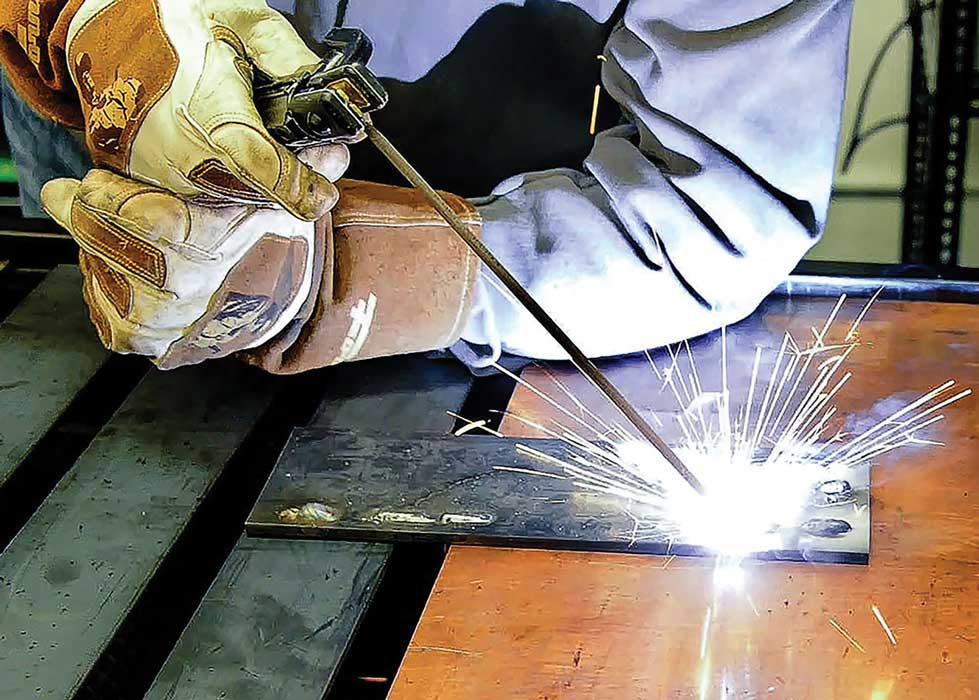
A substantial issue in welding repair services is insufficient combination, which takes place when the weld metal does not adequately bond with the base product or previous weld passes - Belgrade Welding. This defect can cause weak points in the joint, possibly compromising the stability of the bonded framework. Elements adding to insufficient fusion consist of inadequate warmth input, incorrect welding technique, and contamination of the surface areas being joined. To resolve this concern efficiently, welders should ensure appropriate pre-weld cleansing and surface area preparation, in addition to readjust their welding parameters to accomplish ample penetration and blend. Normal evaluation throughout the welding process can likewise assist identify insufficient blend early, enabling timely rehabilitative actions to enhance the overall quality of the weld
Overheating
While welding repair work can enhance structural integrity, overheating provides a considerable difficulty that can cause product deterioration. Extreme warm during welding can change the mechanical homes of metals, causing decreased toughness, increased brittleness, and bending. This sensation is especially critical in high-stress applications where structural dependability is critical. Identifying getting too hot can include aesthetic inspections for discoloration or distortion, in addition to keeping track of temperature during the welding procedure. To alleviate the dangers connected with overheating, welders ought to use ideal techniques, such as managing heat input, readjusting travel speed, and making use of appropriate filler products. Furthermore, executing pre- and post-weld heat therapies can assist restore product residential or commercial properties and enhance the total top quality of the repair, ensuring long-lasting efficiency and safety.
Regularly Asked Concerns
What Are the Usual Indications of a Welding Issue?
Exactly How Can I Evaluate My Welds for Top quality?
To check welds for top quality, one can utilize aesthetic evaluations, ultrasonic testing, and radiographic methods. Each technique guarantees structural integrity, identifies problems, and confirms adherence to specified criteria, ultimately enhancing the reliability of the welded joints.
What Security Preventative Measures Should I Take While Welding?
When welding, one should focus on safety and security by wearing proper individual safety equipment, making sure proper ventilation, protecting flammable products away, preserving a clean work space, and recognizing environments to avoid crashes and injuries.
Can I Repair a Weld Without Remodeling the Entire Joint?
Fixing a weld without redoing the whole joint is feasible, relying on the damage (Montana Mobile Welding and Repair Belgrade Fabrication). Strategies such as grinding, including filler product, or making use of a welding process can effectively resolve details problems while preserving the bordering framework
What Devices Are Important for Efficient Welding Repairs?
Important devices for effective welding fixings consist of a welding device, cord brush, mill, protective gear, clamps, and filler materials. Each tool plays an essential function in making certain high quality and safety and security throughout the repair work process. Porosity commonly emerges from contamination, wetness, or incorrect welding strategies, which allow gases to escape into the liquified weld pool. Improperly kept tools, consisting of welding machines and tools, might introduce incongruities in the weld bead, more contributing to misalignment. When subjected to the intense warmth of welding, products frequently undergo changes that can lead to distortion. Cracking is a typical issue encountered in welding repair services, typically resulting from numerous elements such as incorrect cooling prices, product choice, or insufficient joint preparation. A considerable concern in welding repair work is incomplete blend, which happens when the weld steel does redirected here not adequately bond with the base material or previous weld passes.